Dig, compact, screed, lay, lock
Paver Installation in Columbus, OH
Patios, driveways, walks, steps and block walls, built from the subgrade up. Book a free estimate.
Paver work in Columbus and 31 towns, inside I-270 and beyond

Request a Free Paver Estimate
Tell us the kind of paver job, a rough size and anything you have noticed about drainage or sinking. The contractor will call you back and arrange a time to see it.
- Free estimates
- Base built in lifts
- Repairs and releveling
- Patios to retaining walls
Rough sizes are fine. We measure on site. 👇
What we install
Paver work we install and fix
Six kinds of jobs, one way of building the base under all of them.
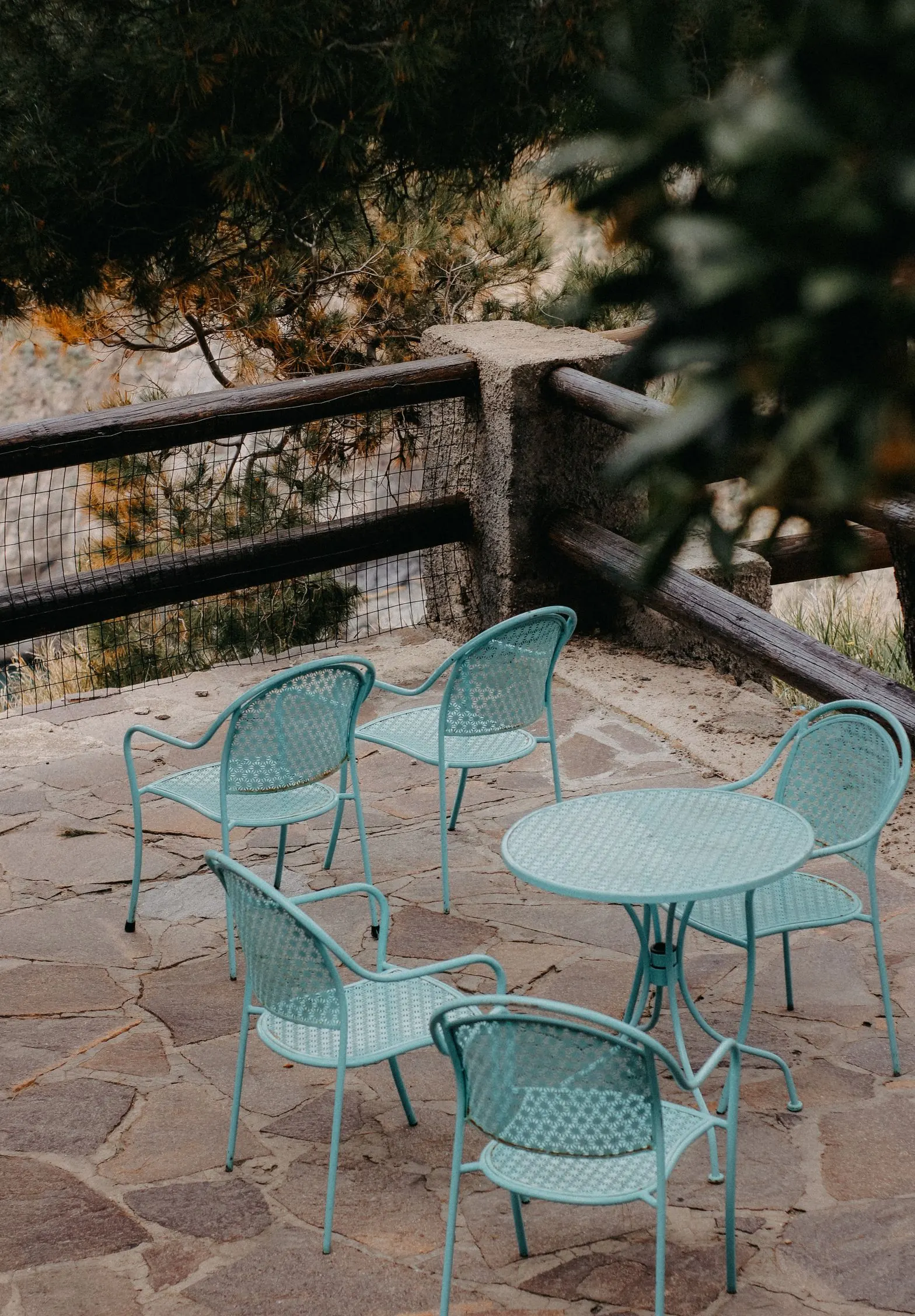
Paver Patios
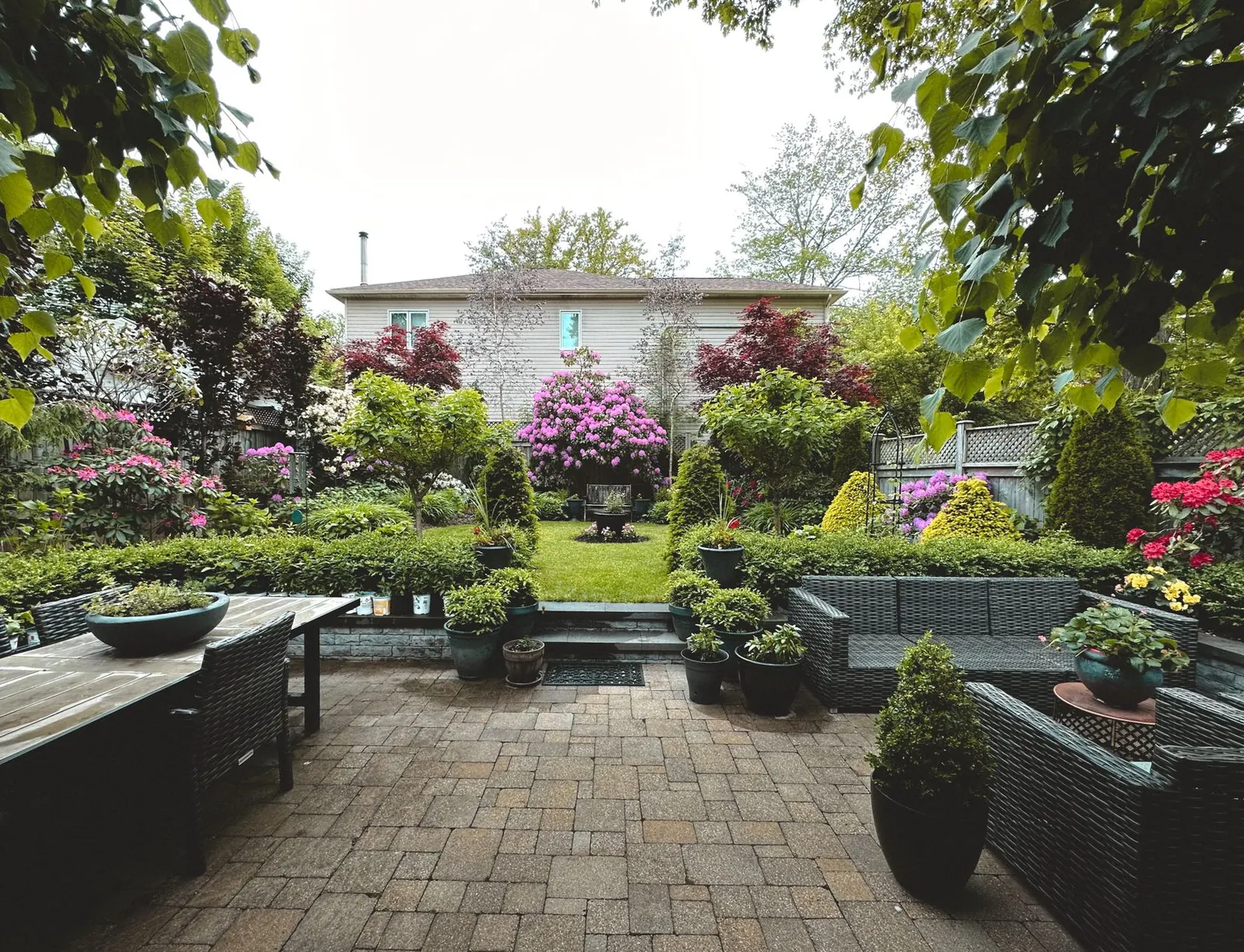
Backyard patios dug, based, screeded and laid with clean cuts, a firm edge and polymeric joints.
More on paver patios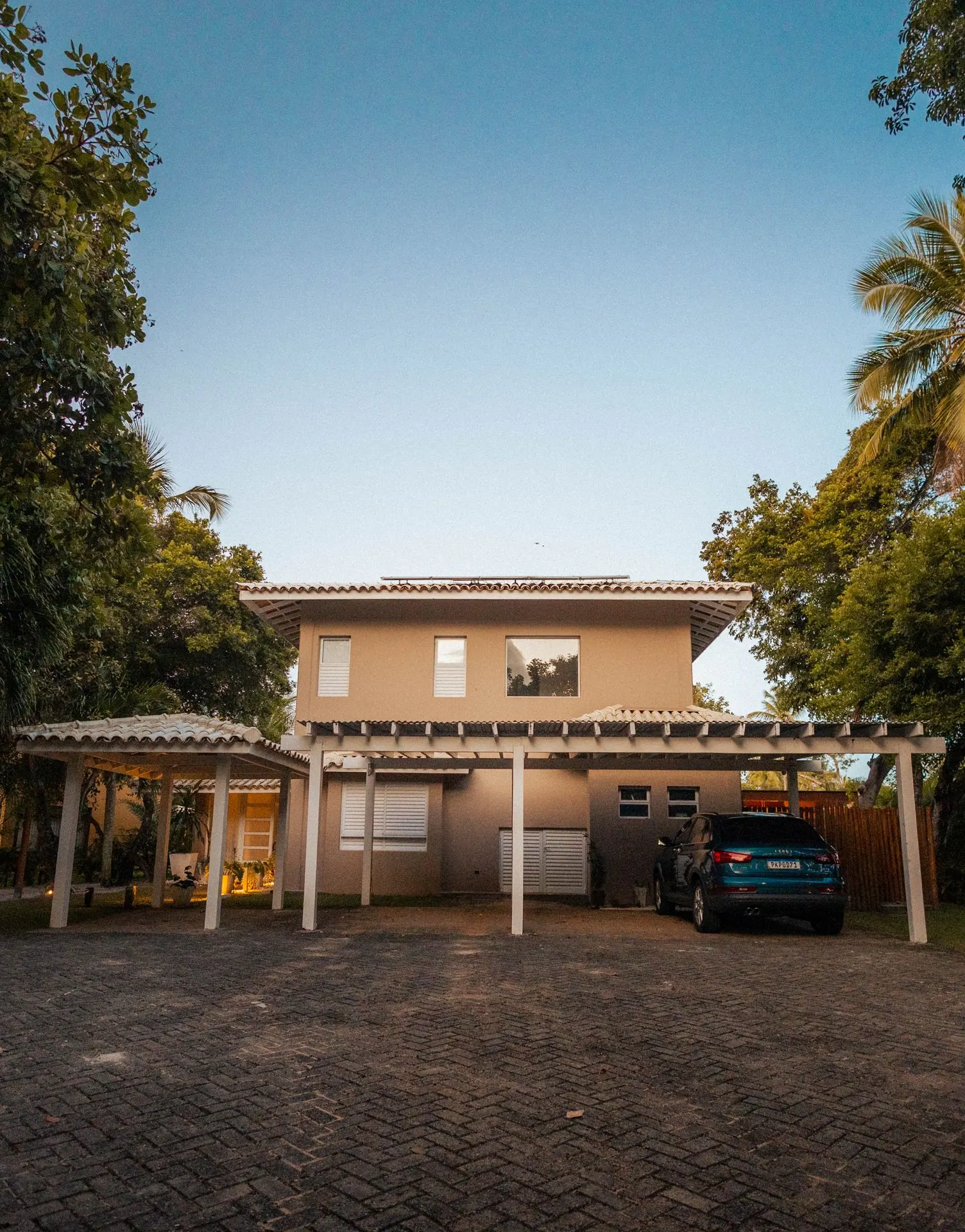
Paver Driveways
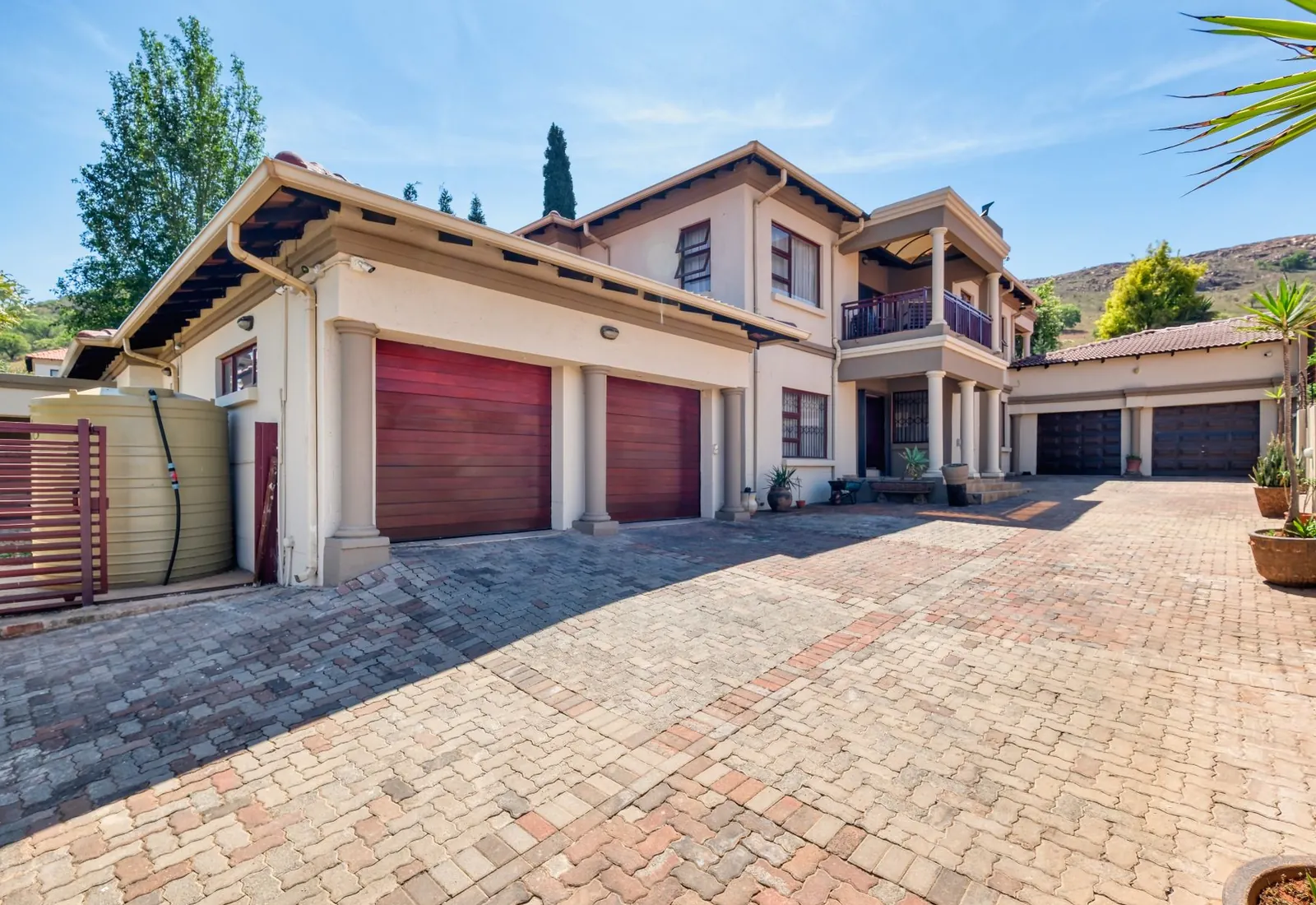
Driveways excavated deeper than any patio, built up in compacted lifts and laid in thick pavers that take cars.
More on paver driveways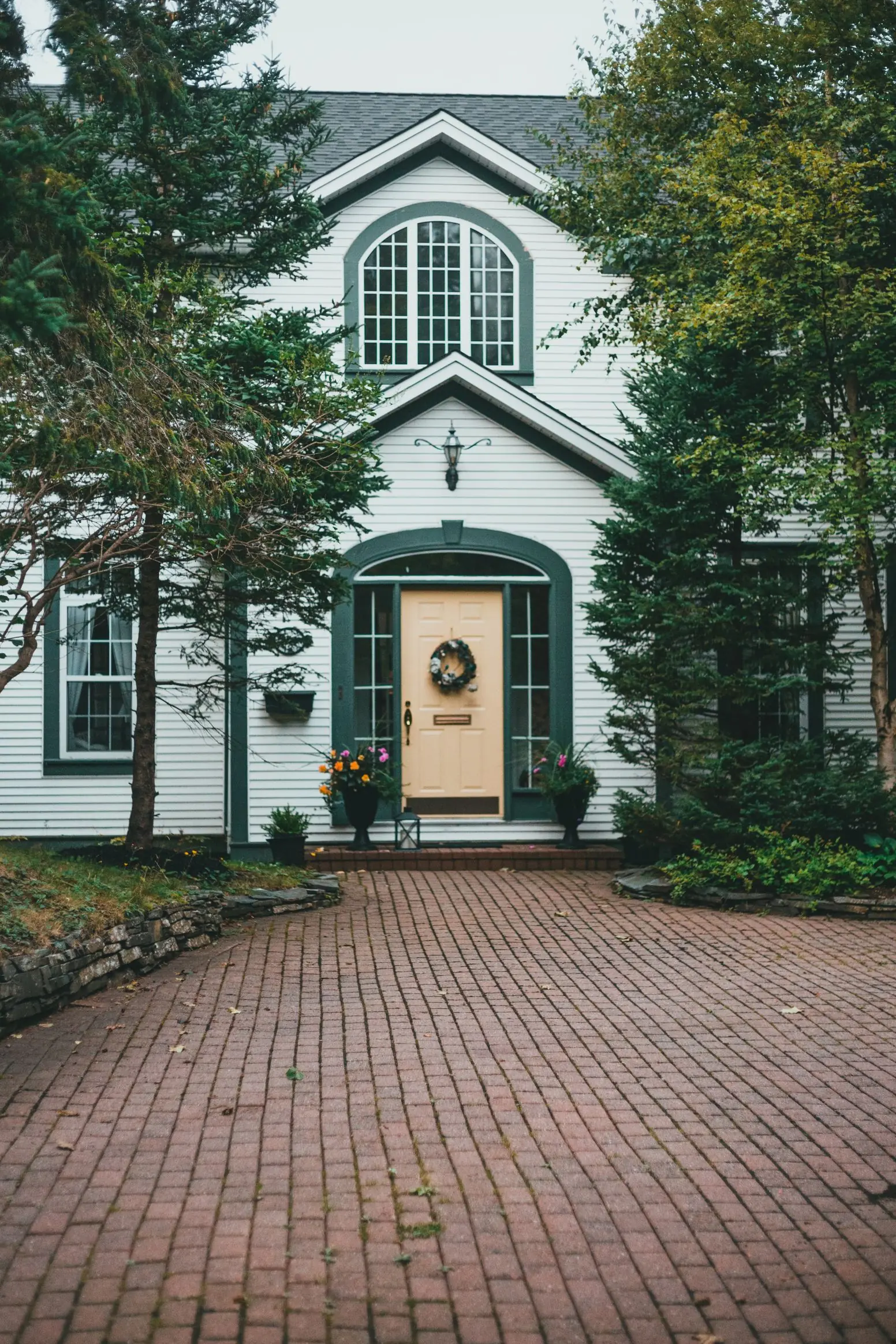
Paver Walkways
Front walks, side-yard paths and garden walks laid with clean curved cuts and edges that hold their line.
More on paver walkways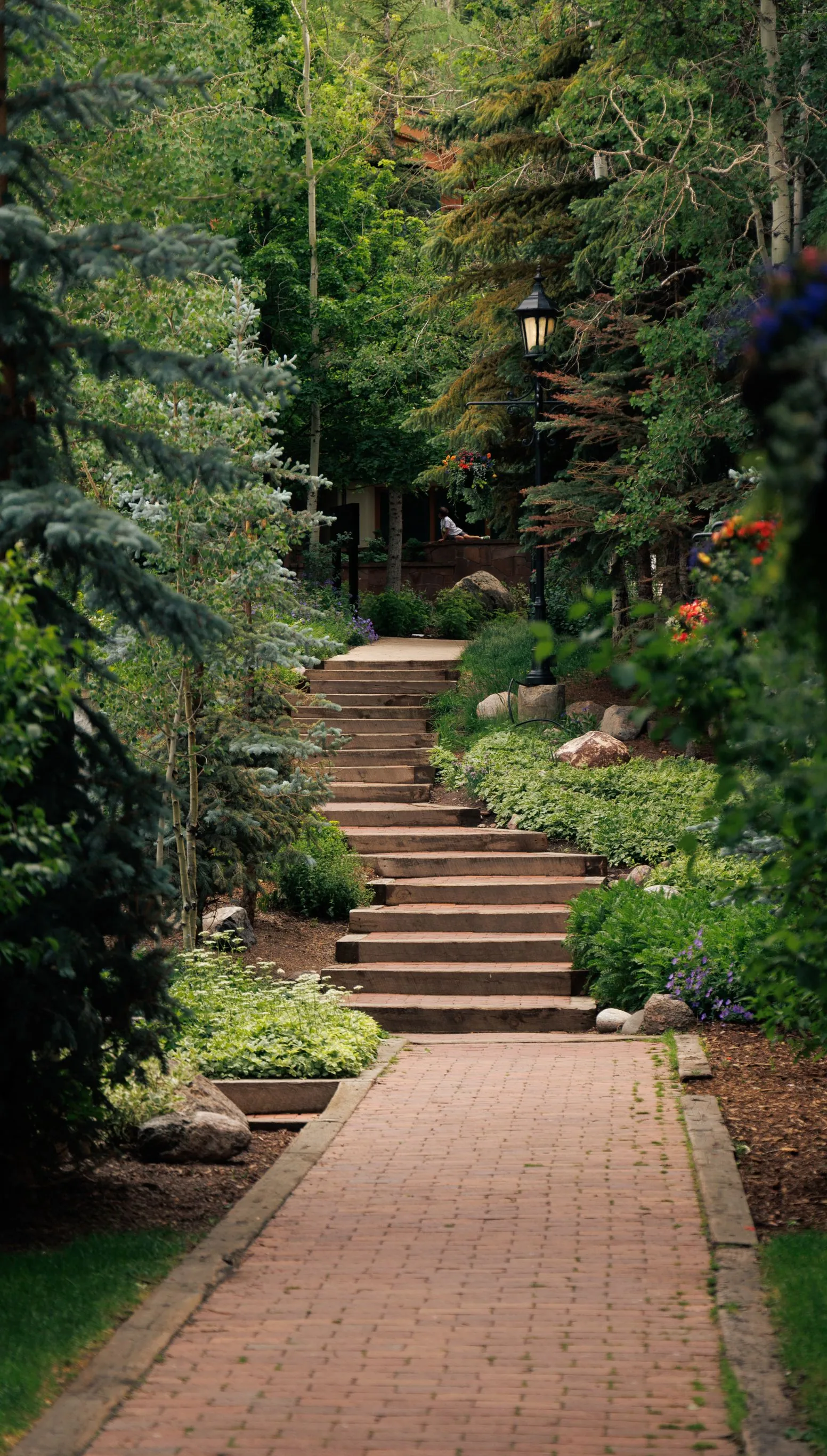
Paver Steps
Steps for entries, patios and slopes built from block risers and paver or cap treads, each course on solid base.
More on paver steps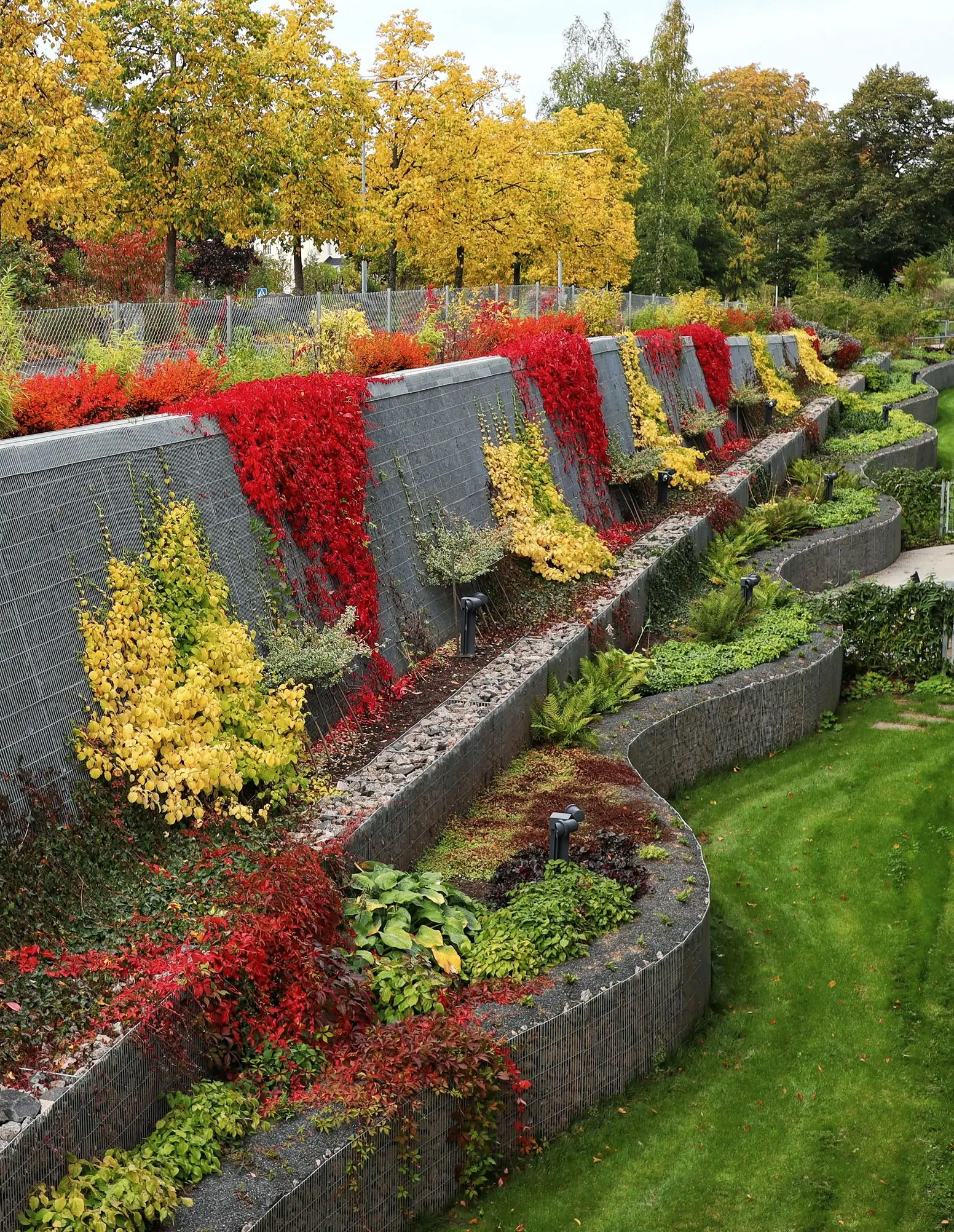
Block Walls
Segmental block walls on a compacted leveling pad with drainage stone and pipe behind them, matched to your pavers.
More on block walls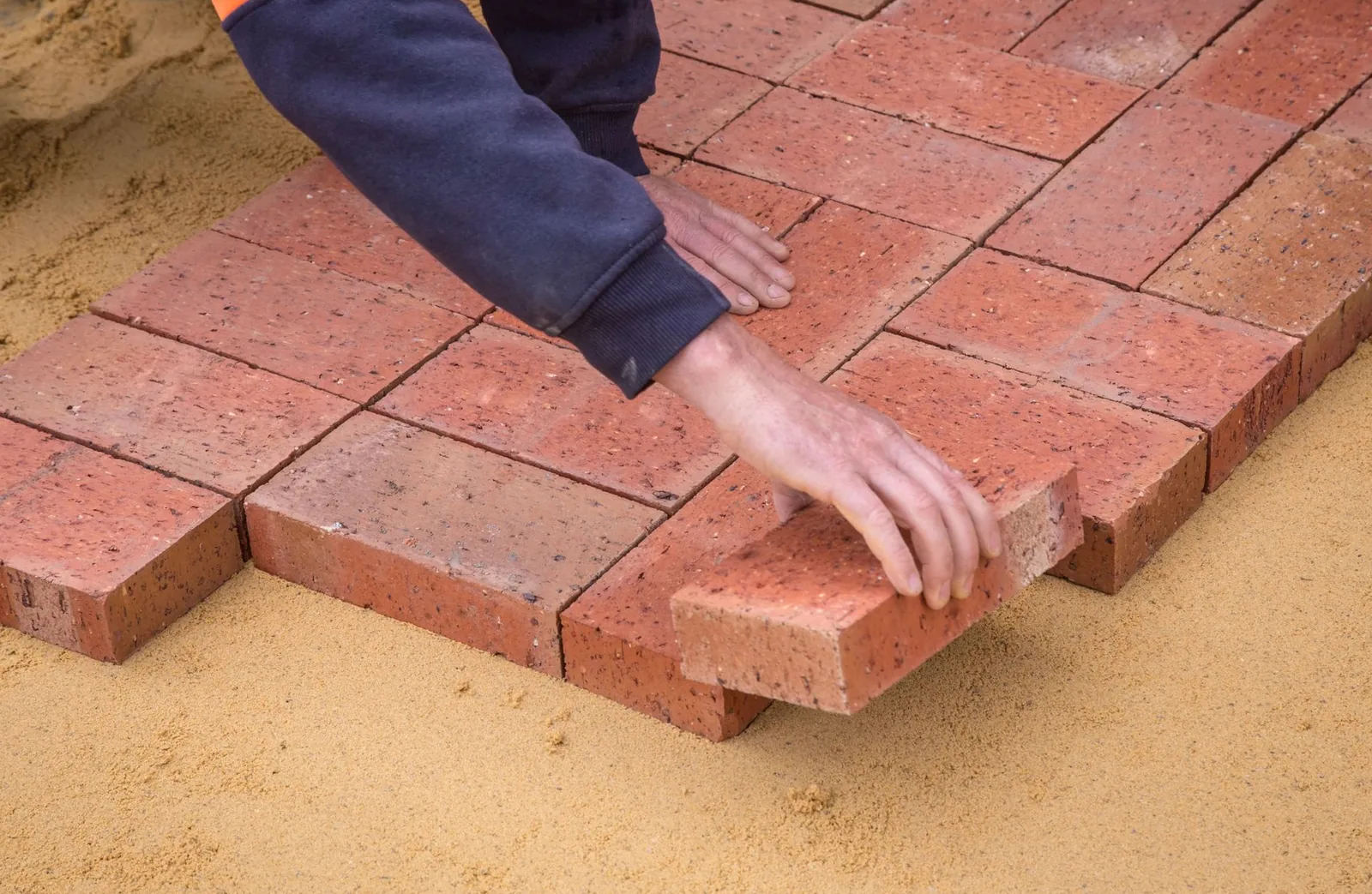
Paver Repair & Releveling
Sunken or heaved pavers pulled up, a firmer base built beneath, and the original units relaid with fresh joint sand.
More on paver repair & releveling
Examples
Paver jobs from base stone to finished joint
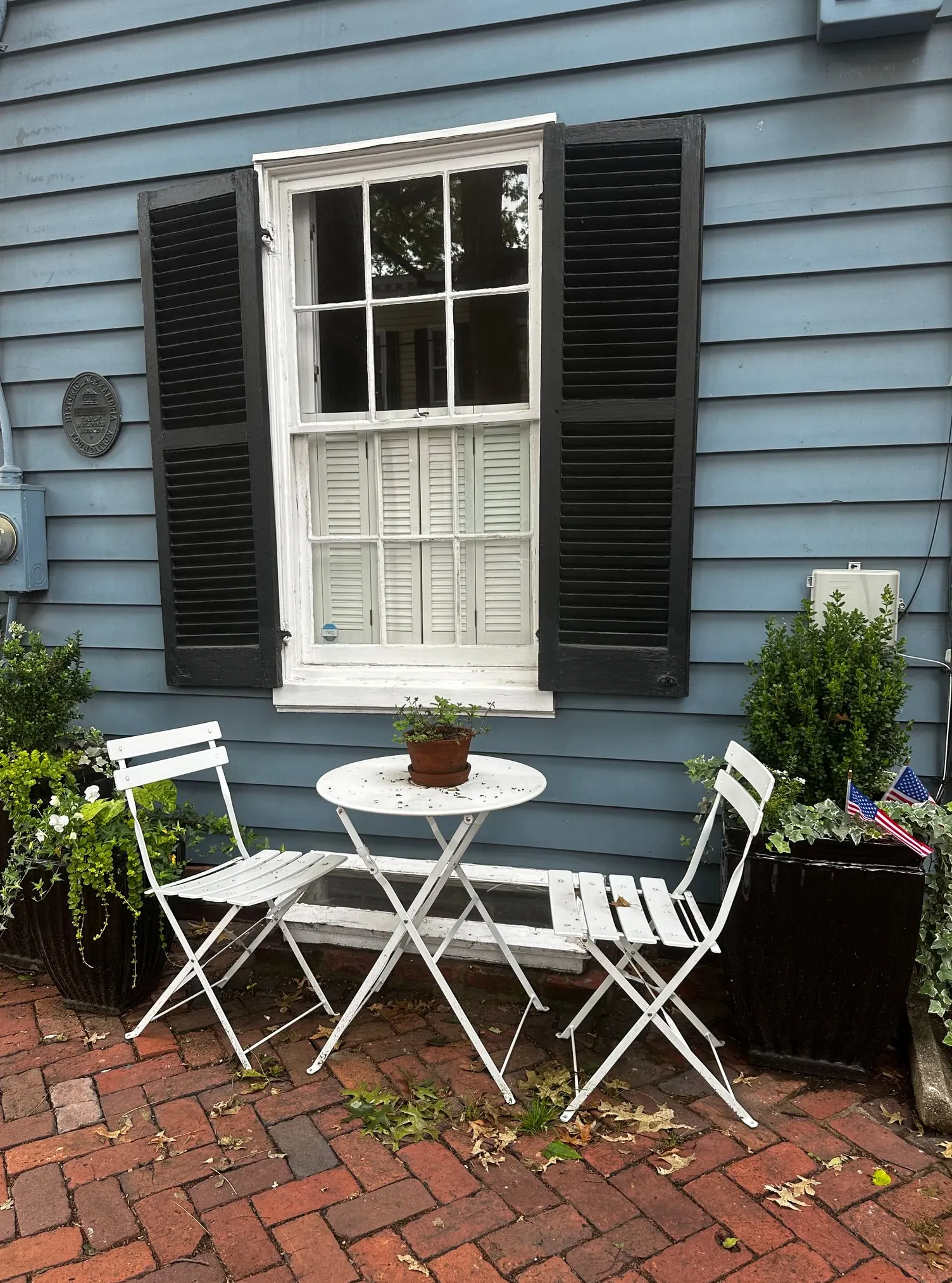
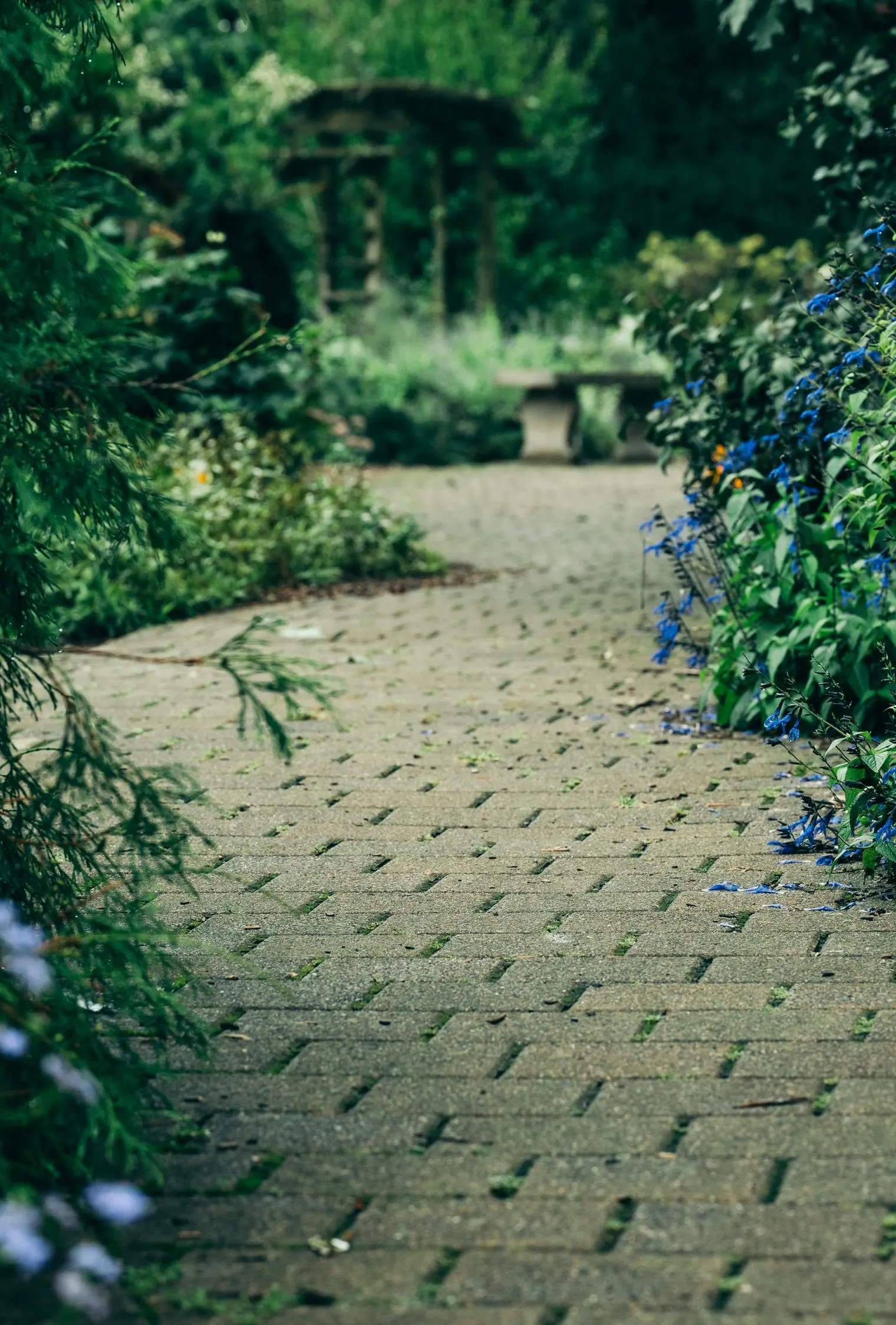
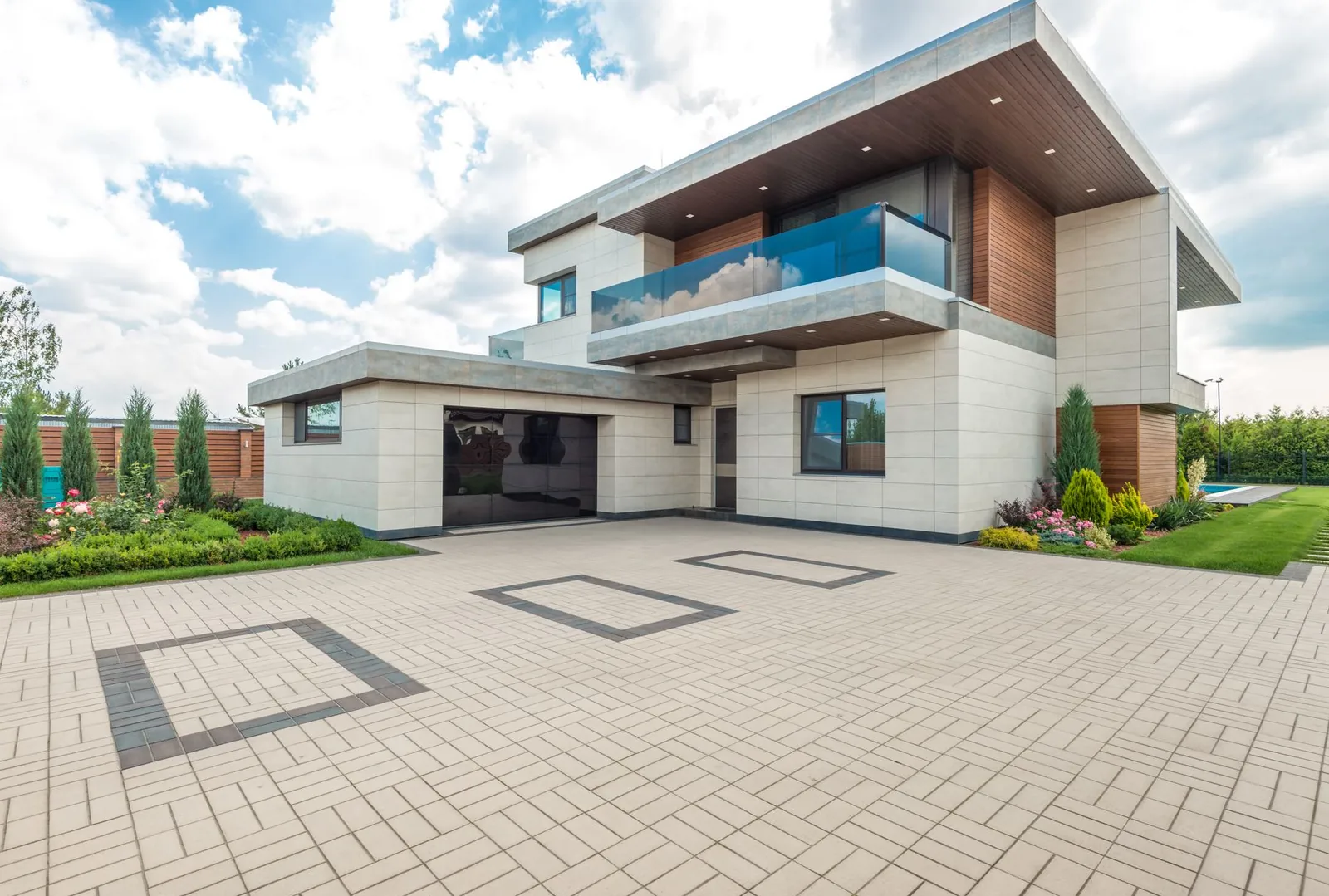
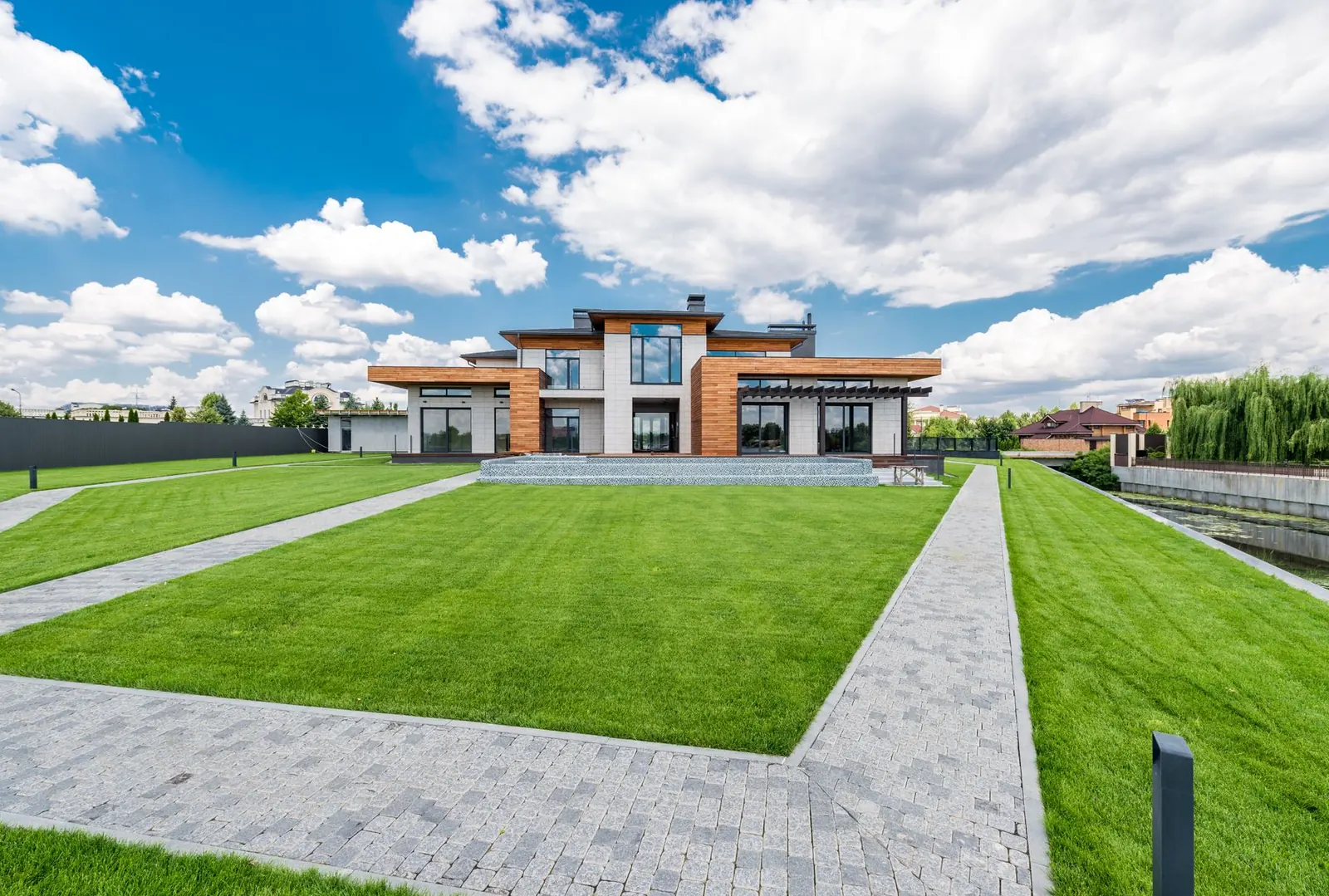
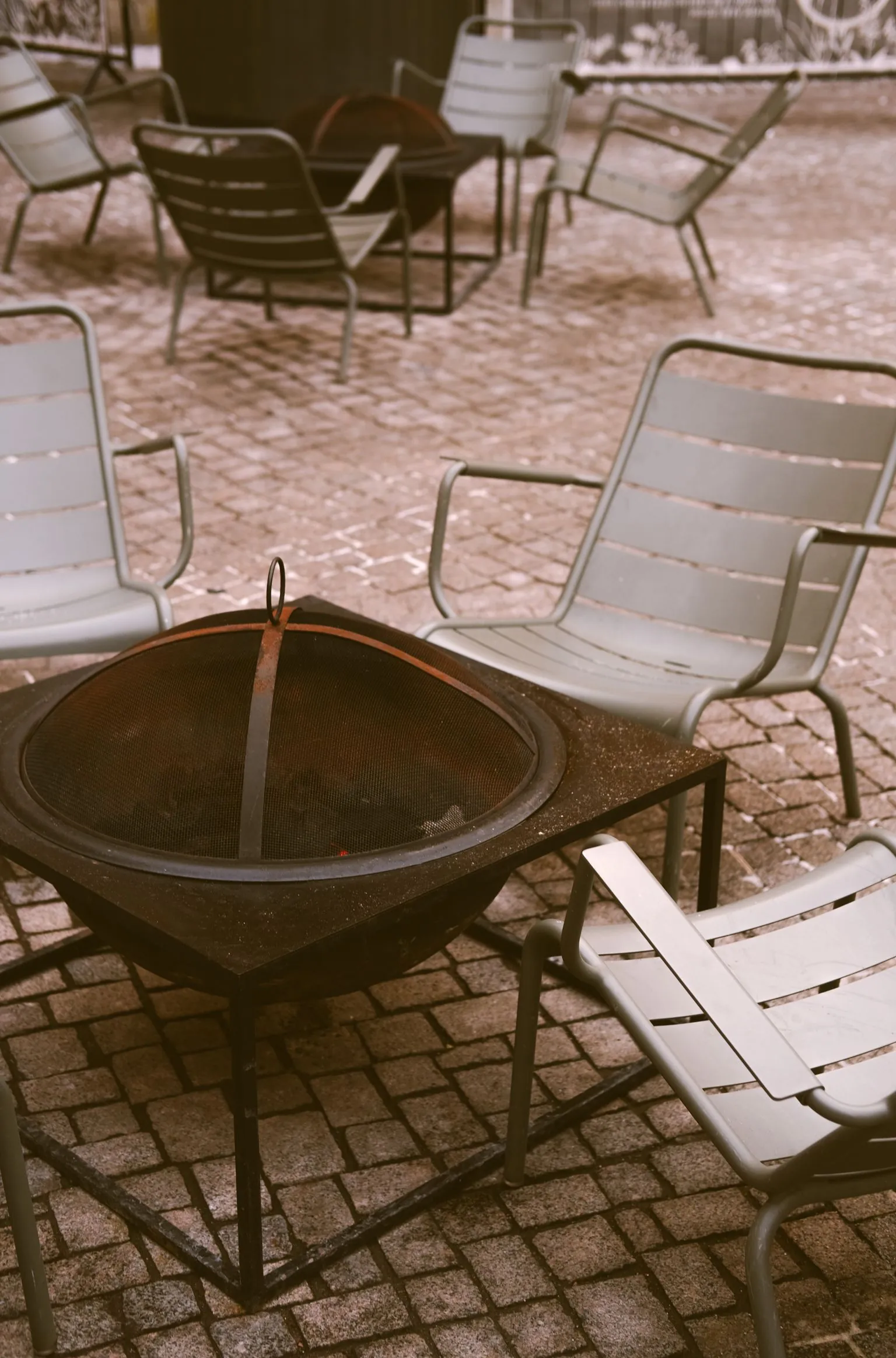
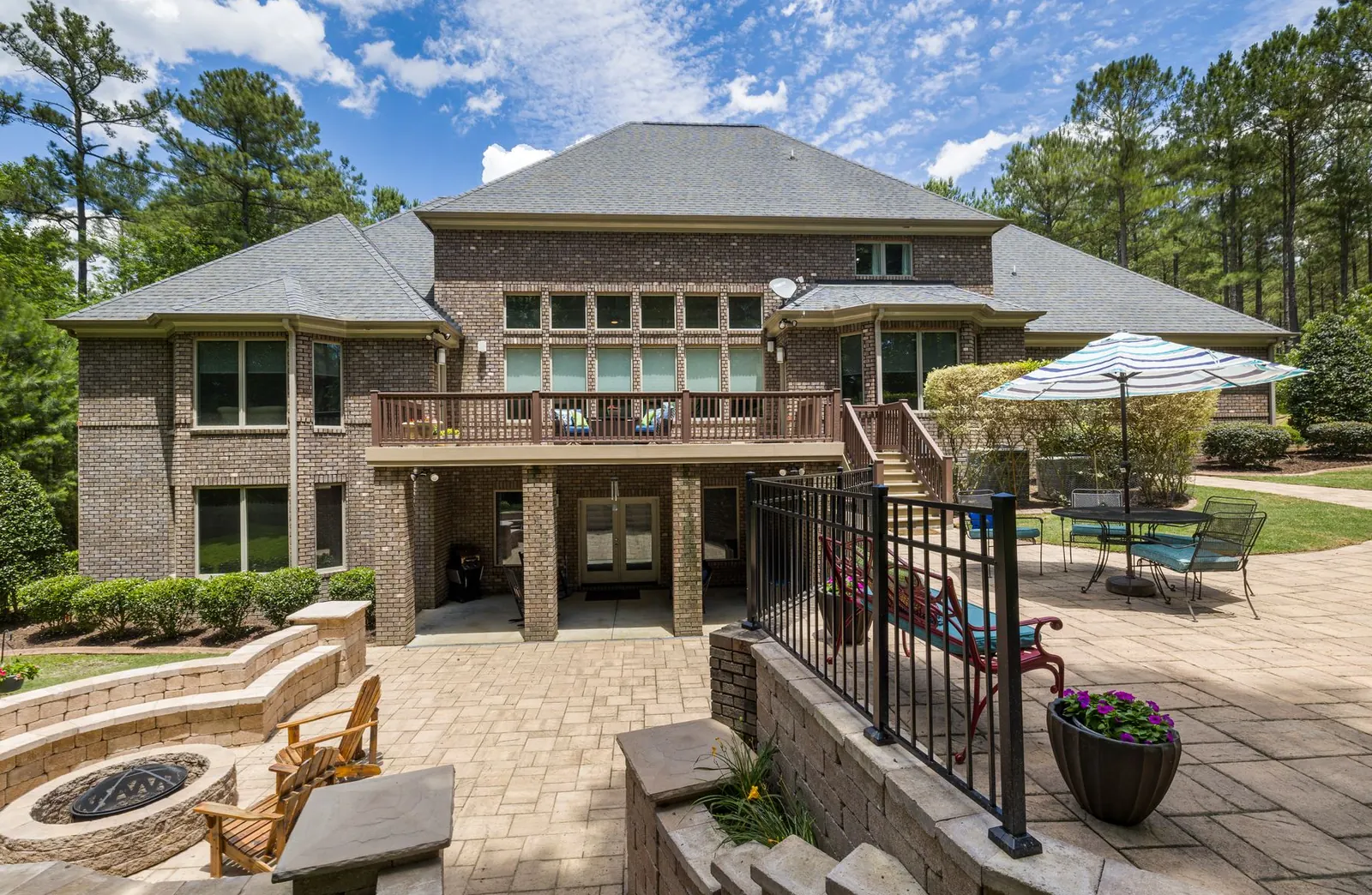
Example photos of the type of work.
Most of a paver job happens below the pavers
Pavers Columbus installs pavers on every part of a property: backyard patios, driveways, front walks, steps, block retaining walls, and repairs to paver work that has sunk or spread. The pavers are the last layer to go down and the only one anybody sees, yet they are a small share of the labor. The rest is digging, hauling, compacting and checking grade, and that buried work, more than the paver you pick, decides whether a surface is still flat after its tenth Ohio winter.
Here is the order we build in. Dig out sod and soft soil to a depth set by the use: shallowest for a walk, deeper for a patio, deepest for a driveway. Roll out geotextile where the clay is wet or soft. Bring in crushed limestone and run the plate compactor over it a few inches at a time. Set screed rails, pull an even inch of bedding sand, lay the pavers, cut the edges on a wet saw, spike the edge restraint, sweep in polymeric sand and compact the whole field.
Pavers make sense in Central Ohio for a plain reason: the ground here moves. Our clay soaks up water and grows, then dries out and pulls back, and freeze-thaw runs from late fall into spring. A poured slab is one rigid piece, so it cracks along the way. A paver field is thousands of pieces locked by sand in the joints, so it can shift a fraction and settle back. And when something does go wrong, we pull the pavers, fix the base and lay the same pavers back down.
Questions
Installer answers to common paver questions
How do pavers handle freeze-thaw and salt?
Well, if the base drains. Concrete pavers are dense and strong, so frost and de-icing salt are far less likely to scale them than a poured slab, and the joints let the field shift slightly and settle back. The weak point is water trapped in the base, which is why the stone and its grade get most of our attention.
What has to happen before you dig?
An 811 call to OUPS, made at least two working days ahead, so utility lines are marked. Driveway aprons in the right-of-way and taller retaining walls can need a permit from the city or township, and some walls need an engineer's design. If you have an HOA, get materials and colors cleared with them first.
What makes one paver estimate higher than another?
Base depth and access are the big hidden items. A driveway needs far more excavation and stone than a walk, soft clay may call for fabric and extra base, and a backyard the machine cannot reach means hand work with wheelbarrows. On top of that come the paver, the pattern, the cut count, any steps or walls and any old concrete to remove.
What areas do you install pavers in?
Every part of Columbus, plus the towns ringing it. Up north we work in Worthington, Riverlea, Minerva Park, Westerville and Powell; out east in Whitehall, Bexley, Reynoldsburg, Brice and Pataskala; southwest in Grove City, Urbancrest and Harrisburg; and southeast in Groveport, Obetz, Canal Winchester and Lithopolis.
How long does a paver install take?
A modest walkway can wrap up in a day or two, a patio usually runs a few days, and a driveway or anything with a wall takes longer. Weather matters more than the calendar. We install through much of the year, but not on frozen ground or on clay that rain has turned to paste.
Do you use geotextile fabric under the base?
When the subgrade calls for it. Firm, dry soil may not need it, but over soft or wet Central Ohio clay a woven fabric keeps the base stone from punching down into the mud and the mud from pumping up into the stone.
Why do some paver jobs grow weeds and others do not?
Weeds take hold in joints that lost their sand or were filled with plain sand. Polymeric sand, swept in fully and set with water, forms a firm joint that roots struggle to get into. Seeds that blow onto the surface can still sprout in dusty joints, so an occasional sweep helps.
Know-how
Notes from the job site
- 01
Compact in lifts, not all at once
A plate compactor only firms up the top few inches of stone under it. Dump 8 inches of base, run the plate over it once, and the bottom stays loose and settles later. Thin lifts, each one compacted, are what make a base solid.
- 02
Sand is a bed, not a leveler
Bedding sand gets pulled to an even inch over screed rails with a straightedge. Low spots are fixed in the base, because a thick pocket of sand compresses unevenly and shows up as a dip a year later.
- 03
Keep slivers out of the edges
Tiny cut pieces at a border break loose over time. We lay out the pattern so edge cuts stay at roughly a third of a paver or bigger, and we run a soldier course along the edge to hide cuts where we can.
- 04
Mist polymeric sand in stages
Polymeric sand goes into dry joints on a dry surface, then gets misted lightly in passes so it hardens all the way down. Flood it and it washes out or leaves a haze; skip the water and it never sets.
How it works
How a paver install runs, start to finish
- 1
Walk, measure, shoot grade
We walk the site with a tape and a level, note where water runs today, and talk through size, pattern and how the machine gets in.
- 2
Locate and dig
OUPS marks the utility lines, then we excavate to depth and haul the spoil off site.
- 3
Build the base
Fabric goes down if the clay is soft, then crushed stone in compacted lifts, graded for drainage and checked against a string line or laser.
- 4
Lay and lock
Screeded sand, pavers, cuts, edge restraint and polymeric sand, with a final pass of the plate compactor to seat it all.
Service area
Where we install pavers around Columbus
Pavers Columbus works across the city plus 31 surrounding towns and villages. Pick yours for local notes and a free estimate.
Franklin County
Pickaway County
Fairfield County
Delaware County
Licking County
Start with a walk-through and a free estimate
Send a few details or call, and we will come measure, check the grade and price the job.